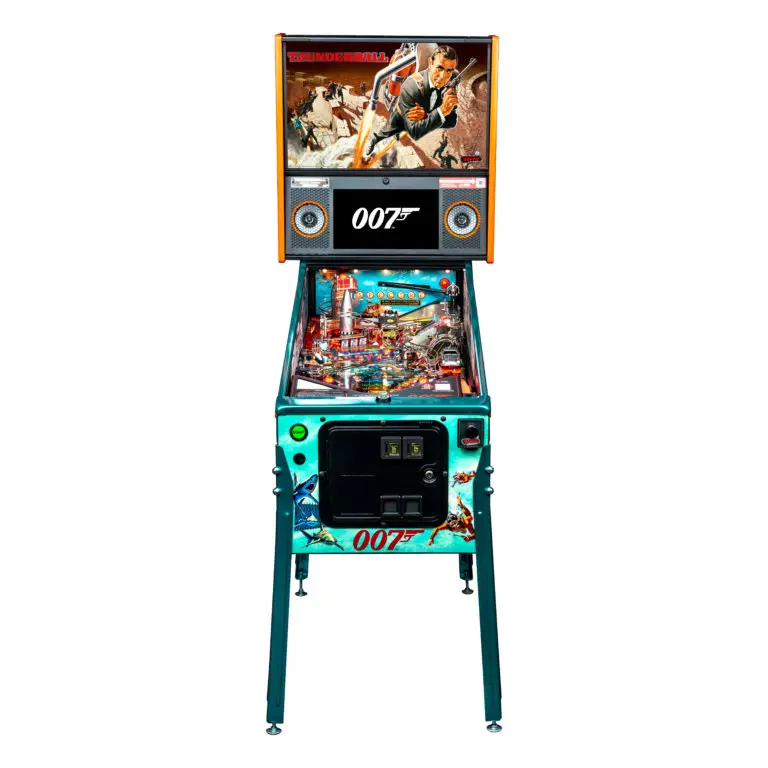
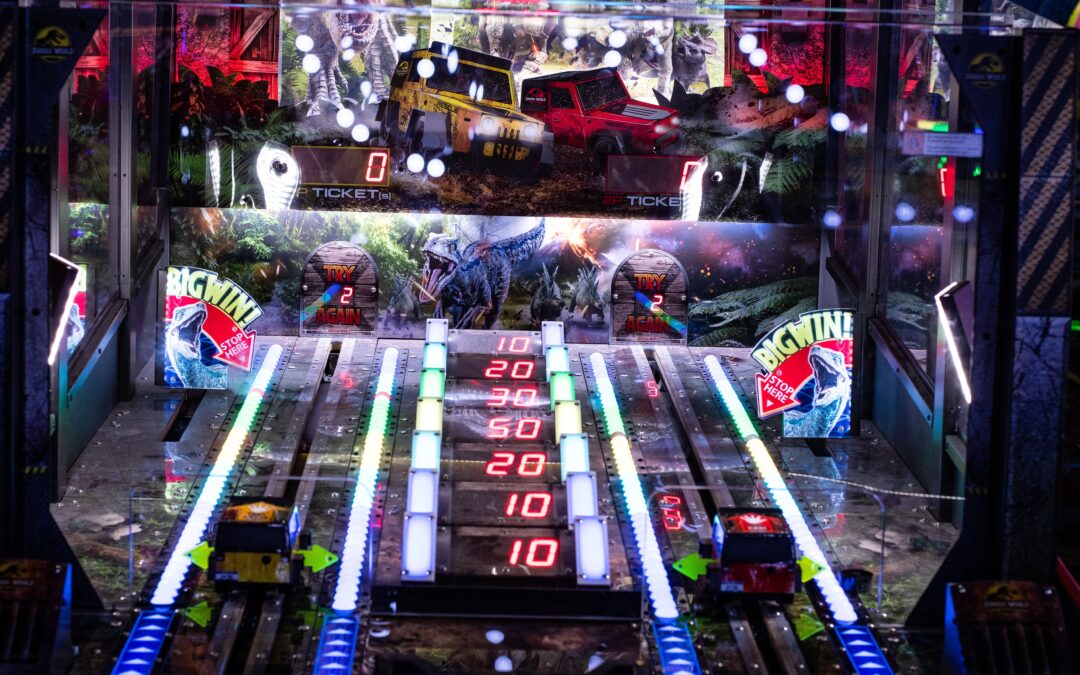
The Ultimate Pinball Machine Guide: History, Top Models & Home Buyer’s Manual
There is nothing quite like the tactile rush of a pinball machine. From the sharp crack of the flippers and the flashing neon lights to the satisfying chime of a high score, pinball represents the perfect fusion of mechanical engineering, art, and skill.
Whether you are a arcade enthusiast feeling nostalgic for the silver ball era, a collector hunting for legendary titles, or a homeowner looking to add the ultimate centerpiece to your game room, buying a pinball machine is an exciting venture.
In this comprehensive guide, we will explore the evolution of pinball, break down the different eras of pinball machine design, highlight the best models to buy, and reveal everything you need to know about maintenance and purchasing.
1. The Fascinating Evolution of the Pinball Machine
To truly appreciate a modern pinball machine, it helps to understand how a simple parlor game evolved into a global arcade phenomenon.
From Bagatelle to the First Flippers (1800s – 1930s)
Pinball traces its origins back to Bagatelle, a French tabletop game where players used a cue to shoot balls up an inclined board filled with wooden pins. In 1931, Automatic Industries created Whiffle Board, introducing the coin-operated mechanism that launched the commercial arcade industry.
However, these early games relied entirely on gravity and luck—there were no flippers yet!
The Golden Age & The Invention of Flippers (1940s – 1970s)
In 1947, Gottlieb revolutionized the industry by introducing active flippers in their game Humpty Dumpty. For the first time, pinball became a game of player skill rather than pure chance.
Throughout the 1950s and 1960s, electro-mechanical (EM) pinball machines dominated bowling alleys, diners, and arcades across the world.
The Solid-State & Dot-Matrix Era (1980s – 1990s)
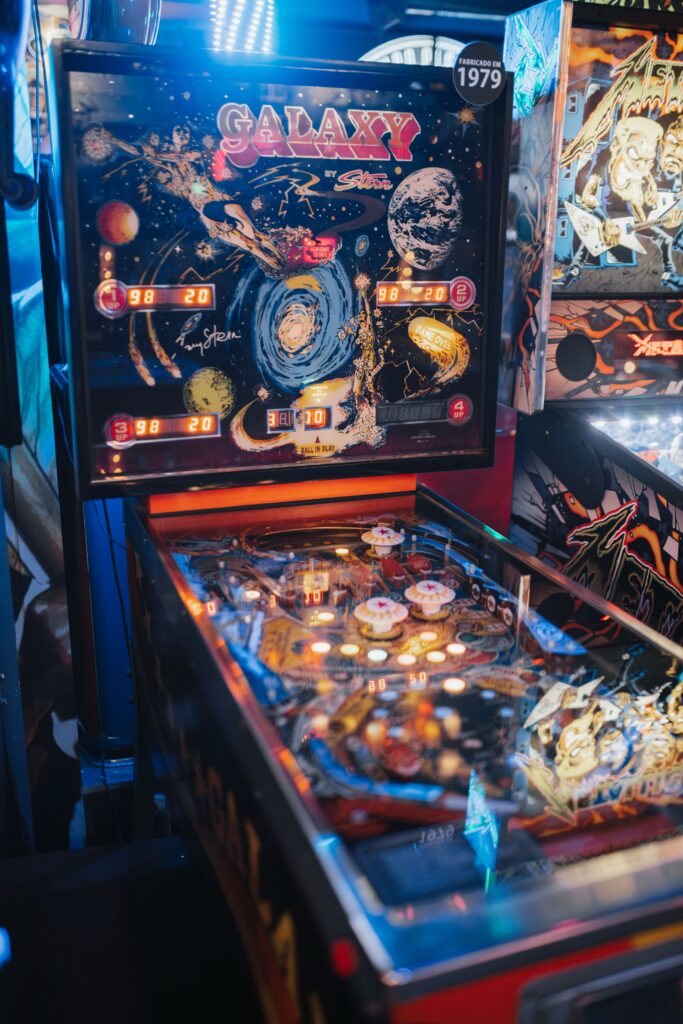
The introduction of microprocessors in the late 1970s ushered in the Solid-State (SS) era, replacing mechanical reels with digital displays and synthetic sound effects.
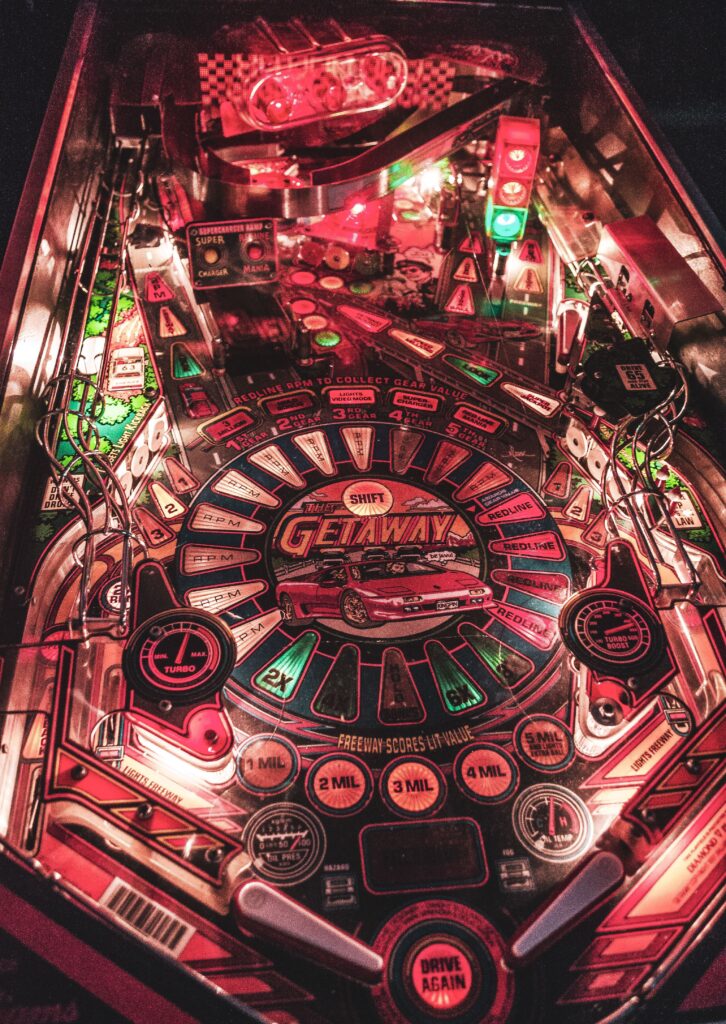
By the 1990s, manufacturers like Williams, Bally, and Stern introduced Dot-Matrix Displays (DMD), pop-culture licenses (like The Addams Family and Indiana Jones), and complex playfield toys, creating what many consider the greatest era in pinball history.
The Modern Renaissance (2000s – Present)
Today, pinball is experiencing a massive resurgence. Modern manufacturers feature high-definition LCD screens, immersive original soundtracks, complex game rules, and full internet connectivity for global leaderboards.
2. Electromechanical vs. Solid-State vs. Modern Pinball Machines
When shopping for a pinball machine, you will encounter three distinct technological eras. Understanding these differences will help you select the right machine for your skill level and maintenance tolerance.
| Era / Type | Production Years | Key Features | Maintenance Level | Best For |
| Electro-Mechanical (EM) | Pre-1977 | Physical scoring reels, bells, relays, analog chimes | High (requires mechanical tuning) | Nostalgia lovers, vintage collectors |
| Solid-State (SS / DMD) | 1977 – 2010s | Digital displays, DMD screens, electronic sound, complex ramps | Medium (circuit boards & fuses) | 90s arcade fans, competitive players |
| Modern LCD | 2015 – Present | HD video screens, stereo sound, LED lighting, Wi-Fi connectivity | Low to Medium (modular parts) | Home game rooms, modern tech fans |
3. Top Pinball Machines of All Time
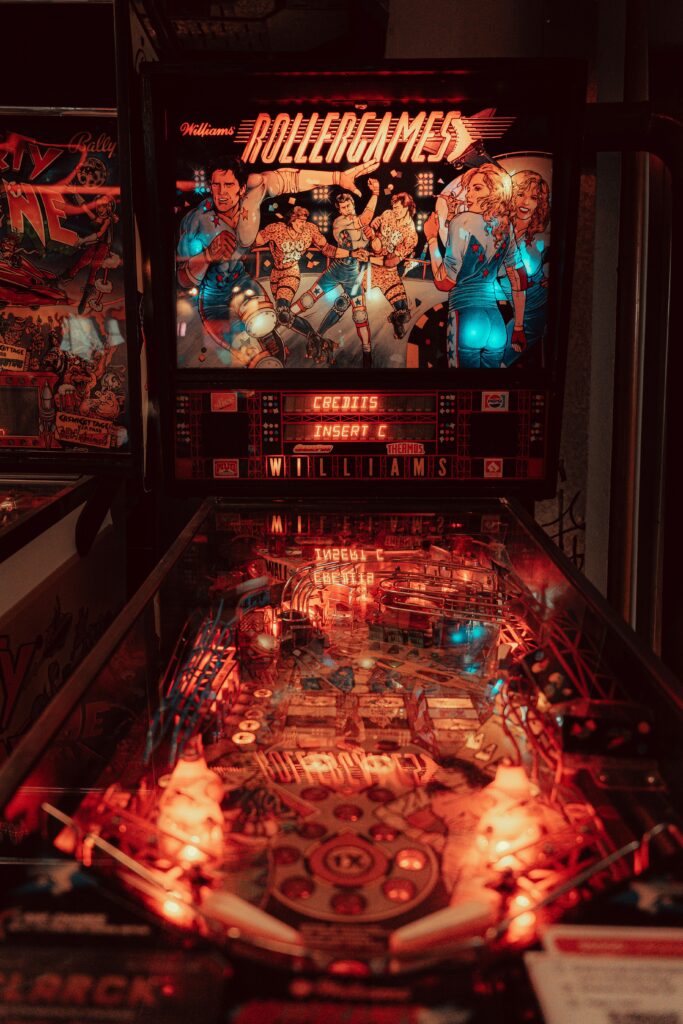
If you are looking to invest in a machine that offers endless replayability, strong resale value, and exceptional playfield design, these legendary titles stand above the rest.
1. The Addams Family (Bally, 1992)
- Why It’s Iconic: As the best-selling pinball machine of all time (over 20,000 units sold), The Addams Family set the gold standard for game design. Featuring voice work by Raúl Juliá and Anjelica Huston, a mechanical hand (“Thing”) that steals the ball, and incredible multiball modes, it remains a timeless classic.
2. Medieval Madness (Williams, 1997)
- Why It’s Iconic: Widely considered by tournament players to be one of the greatest pinball designs ever made. The objective is clear and satisfying: destroy the interactive exploding castle in the center of the playfield while fighting off trolls and dragons.
3. Monster Bash (Williams, 1998)
- Why It’s Iconic: Featuring Classic Universal Monsters (Dracula, Frankenstein, the Wolfman, and the Mummy) forming a rock band, Monster Bash combines humorous callouts, easy-to-understand rules, and incredibly fun shot geometry.
4. Godzilla (Stern Pinball, 2021)
- Why It’s Iconic: Designed by legendary designer Keith Elwin, Stern’s Godzilla has quickly captured the top spot on modern pinball rankings. With a crumbling skyscraper ramp, a magnetic bridge, and an amazing audio-visual presentation, it offers unmatched gameplay depth.
4. How to Choose the Right Pinball Machine for Your Home
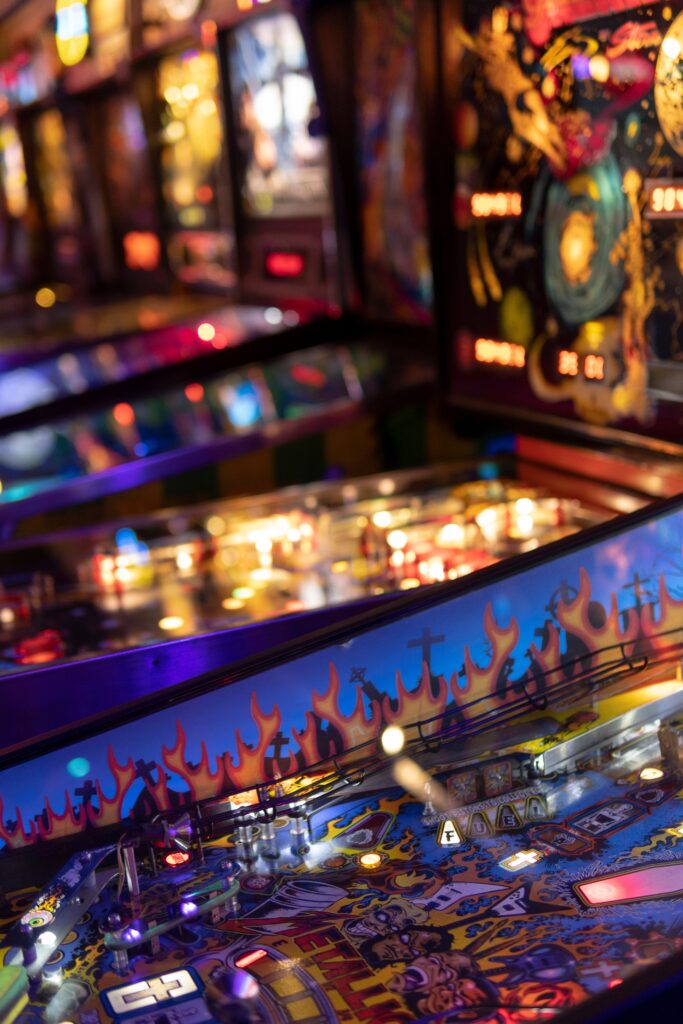
Buying a pinball machine is a significant investment. To make sure you get the perfect machine for your space and lifestyle, consider these essential factors:
Game Room Dimensions & Logistics
- Standard Dimensions: A typical modern pinball machine measures approximately 30 inches wide, 55 inches deep, and 75 inches tall.
- Clearance Space: Always allow at least 3 to 4 feet of open space in front of the machine so players can comfortably stand and operate the flippers.
- Doorways & Staircases: Measure your doorways! Pinball machines weigh between 250 to 350 lbs. Fortunately, the backbox (head) folds down, and the legs can be removed for transport.
Theme & Audio Appeal
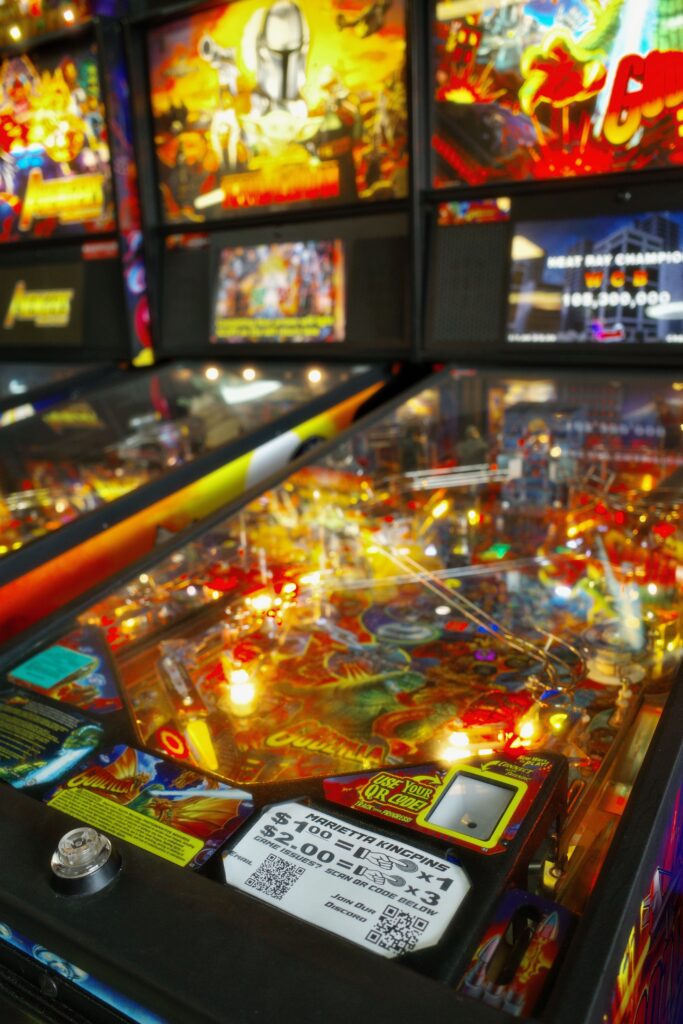
Because a pinball machine will be a permanent fixture in your house, choose a theme you love. Whether it’s classic rock (Led Zeppelin, Iron Maiden), movies (Jurassic Park, Star Wars), or retro pop-culture, a theme you enjoy ensures long-term replay value.
Ruleset Complexity
- Casual / Family-Friendly: Games with straightforward goals (hit the target, light the ramp, start multiball) are great for kids and guests.
- Deep Rulesets: Modern games require strategic shot sequences, stackable modes, and deep wizard modes that cater to experienced players looking for a long-term challenge.
5. Essential Pinball Machine Maintenance & Care Tips
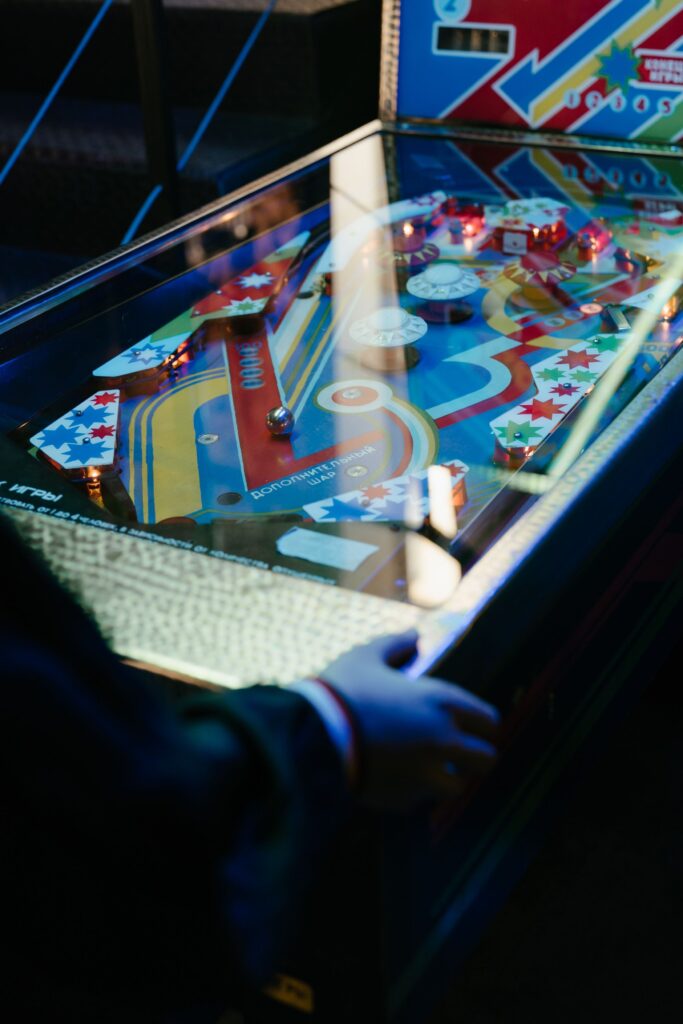
A pinball machine is a dynamic combination of electronics, mechanics, and glass. Regular maintenance keeps your game playing fast, smooth, and trouble-free.
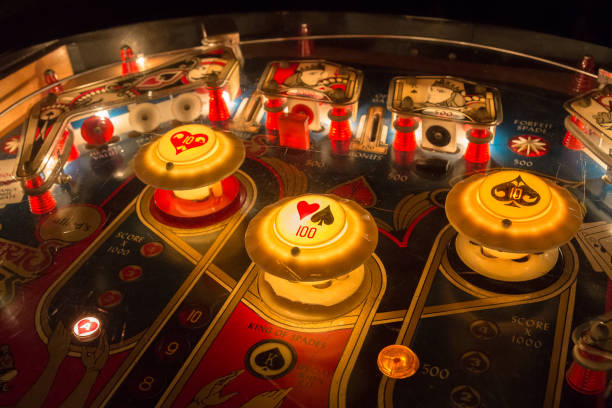
1. Keep the Playfield Clean
Over time, rubber rings breakdown and black carbon dust accumulates on the playfield. Clean the playfield every few months using a soft microfiber cloth and a pinball-safe wax or cleaner (such as Novus #2 for plastic and smooth surfaces).
2. Change the Pinballs Regularly
As steel pinballs collide with targets and metal ramps, they develop microscopic scratches and burrs. A scratched pinball acts like sandpaper, wearing down your playfield wood and artwork. Replace your pinballs once a year or as soon as you notice surface dullness.
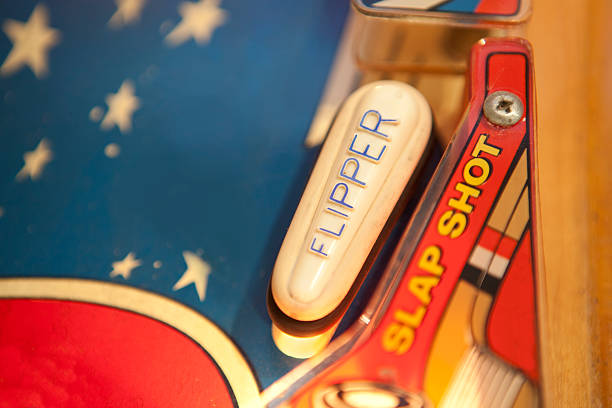
3. Check for Battery Corrosion
Older solid-state games use standard AA batteries on the main circuit board (CPU) to save high scores and settings. Old batteries can leak corrosive acid and destroy the circuit boards. Consider installing a remote battery holder or replacing standard batteries with non-leaking lithium batteries or NVRAM.
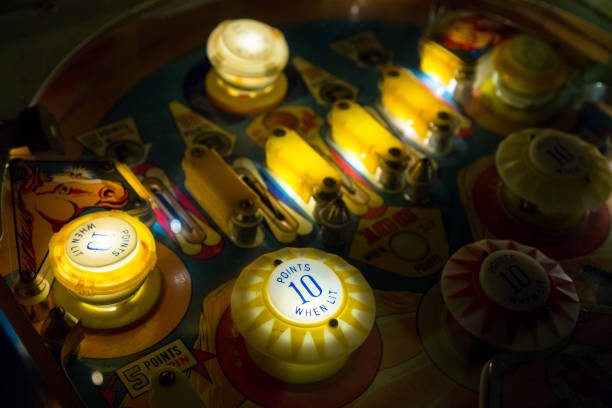
4. Replace Worn Rubber Rings
Playfield rubber rings dry out, crack, and lose their elasticity over time. Replacing worn rubbers restores snappy flipper action and protects targets from direct impact damage.
6. Buying Guide: New vs. Used Pinball Machines
When you are ready to make a purchase, you have two primary routes: buying brand new or buying a pre-owned/restored title.
       ┌──────────────────────────────────────────────────────────┐
       │             WHERE TO BUY A PINBALL MACHINE?              │
       └────────────────────────────┬─────────────────────────────┘
                                    │
            ┌───────────────────────┴───────────────────────┐
            ▼                                               ▼
  ┌───────────────────┐                           ┌───────────────────┐
  │   NEW MACHINES    │                           │   USED / RETRO    │
  └─────────┬─────────┘                           └─────────┬─────────┘
            │                                               │
  • Official Distributors                         • Pinball Collectors
  • Factory Warranties                            • Pinside Marketplace
  • Plug-and-Play Tech                            • Local Arcade Operators
Buying New (Factory Fresh)
- Pros: Includes factory warranties, reliable LED lighting, low initial maintenance, and modern LCD features.
- Cons: Higher upfront cost (typically $4,500 – $10,000+ depending on model tiers like Pro, Premium, or Limited Edition).
Buying Used or Restored
- Pros: Access to iconic 80s and 90s titles, lower entry prices for older electromechanical models, and established collector community support.
- Cons: Requires a careful inspection for playfield wear, board corrosion, and mechanical issues.
Bring the Arcade Magic Home Today!
A pinball machine is more than just a piece of arcade hardware—it is an interactive piece of playable art, a conversation starter, and an endless source of entertainment for family and friends. From classic electro-mechanical spinners to modern cinematic adventures, there is a pinball game out there for everyone.
Are you ready to find the perfect game for your space? Explore our inventory of certified restored classics and modern pinball machines, or contact our expert team today for personalized buying recommendations!